
When a dog’s tooth falls out with no blood, many pet owners wonder whether the situation is normal or something that needs attention from a veterinary professional. A tooth may fall out cleanly for different reasons, and the absence of bleeding does not always signal a minor issue. Dogs can lose teeth due to natural growth changes, trauma, or underlying oral health problems that require support from a veterinary team. Understanding what this scenario means helps you respond confidently and know when to reach out for guidance. Community Veterinary Hospital in Garden Grove, CA, is here to explain why a dog tooth fell out with no blood and what steps make sense next.
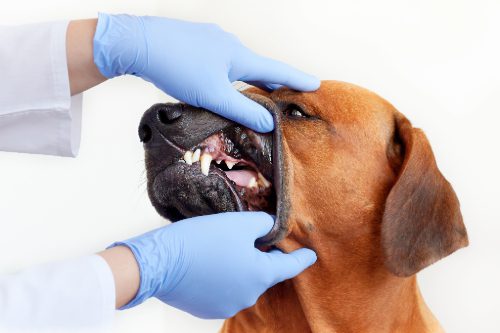
A Closer Look at Why a Dog’s Tooth May Fall Out Without Bleeding
Many pet owners may become concerned when they notice a dog tooth that fell out and has no blood, because it can look unusual. Dogs experience tooth loss for several reasons, and each one creates a different set of clues that can help you understand what might be happening. While puppies normally lose their baby teeth, adult tooth loss is less common and deserves attention to identify the cause early. When a tooth falls out with no bleeding, it suggests that the area may have already healed or changed over time, which can happen with slow-developing dental concerns or an old injury. In any case, your awareness plays a key role in helping your dog stay comfortable and maintain better oral health long-term.
Normal Puppy Teething Patterns
Puppy owners often discover a dog tooth fell out with no blood during the teething phase. This process starts around three to six months of age when baby teeth loosen and fall out as adult teeth come in. Puppy teeth can be tiny, sharp, and easy to miss until you find one on the floor or notice a gap in the mouth. Because these teeth fall out naturally, bleeding is sometimes minimal or absent altogether. Puppies usually continue eating, playing, and behaving normally during this time, which helps owners see that the process is expected. Even without bleeding, it’s still helpful to monitor your puppy’s mouth so any crowding or retained baby teeth can be spotted early.
Slow Tooth Loosening in Adult Dogs
When an adult dog tooth falls out with no blood, one explanation is that the tooth loosened very gradually over time. Slow movement can happen with certain oral changes, giving the gums a chance to adapt. As a result, the final loss of the tooth may look surprisingly clean. While this may seem reassuring, gradual loosening often points to periodontal concerns that deserve veterinary evaluation. These conditions develop quietly, which is why many pet owners do not notice an issue until the tooth is gone. A visit with your veterinarian helps determine what may have contributed to the tooth loss and how to support your dog’s oral health moving forward.
Loss After an Old or Minor Injury
Sometimes a dog tooth may fall out without any blood due to a past oral injury that happened days, weeks, or even months before the tooth separated. Trauma from chewing on hard objects, rough play, or an unnoticed impact can weaken or fracture a tooth. When the gum tissue has already closed or the tooth has been non-viable for a while, its eventual separation may be smooth and free of bleeding. Although the event may seem sudden, the underlying problem could have been present for some time. Scheduling an exam at Community Veterinary Hospital allows your veterinarian to take a closer look and offer the best next steps.
Signs to Watch for When a Dog Tooth Falls Out Without Bleeding
Even when a dog tooth falls out with no blood, you can look for other signs that may provide more information about your dog’s oral health. Dogs often show subtle changes before or after losing a tooth, and these changes can help guide your decision to schedule an appointment. Paying close attention helps you spot discomfort or developing issues early, which is especially important for adult dogs.
Changes in Eating or Chewing Habits
A tooth loss may still lead to discomfort when chewing, depending on the reason for the tooth loss. Dogs may begin dropping food, chewing more slowly, or favoring one side of the mouth. Some may hesitate to pick up toys or seem less interested in tough chews they once enjoyed. These changes can reveal that the area surrounding the missing tooth is sensitive or inflamed, even if the tooth fell out cleanly.
Bad Breath or Visible Gum Changes
If a dog tooth falls out with no blood, but the dog has persistent bad breath or gum redness around the missing tooth site, this may point to developing oral concerns. Gum recession, swelling, or noticeable pockets along the gumline can indicate underlying dental issues. Bad breath is one of the earliest signs that something may need attention, so it helps to mention it during your dog’s appointment.
Behavioral Shifts After Tooth Loss
Some dogs act completely normal after a tooth falls out, while others show subtle shifts in mood or activity. They may paw at their face, drool more than usual, or avoid activities that involve carrying objects in their mouth. Any behavior that differs from your dog’s usual routine is worth noting and sharing with the veterinary team during your visit.
Common Reasons an Adult Dog May Lose a Tooth Without Bleeding
When an adult dog tooth falls out with no blood, identifying the reason is important for maintaining your dog’s long-term comfort. Adult tooth loss is not a typical part of aging, so understanding what might be happening gives you a clearer picture of what to do next. Your veterinarian can evaluate your dog’s mouth and offer insight into the cause, helping you plan for future care needs.
Periodontal Disease
Periodontal disease affects the gums and supporting structures of the teeth. Over time, inflammation can weaken these tissues and lead to tooth mobility. When a tooth finally separates after months of gradual changes, bleeding may not be noticeable. Identifying periodontal disease early helps reduce discomfort and supports better oral health.
Resorptive Lesions or Structural Changes
Dental resorption breaks down a tooth’s internal structure and weakens its attachment. Dogs may show signs such as sudden sensitivity or changes in chewing patterns before the tooth falls out. Because the structural breakdown occurs over time, the tooth’s final loss can appear clean and blood-free.
Injury-Related Tooth Loss
A past injury can set the stage for a dog tooth to fall out without any blood, even if the original trauma seemed minor. Dogs that chew on dense objects or experience facial impact can fracture or damage a tooth root. These weakened teeth may loosen and fall out much later. When this happens, bleeding may be minimal because the gum tissue has already adjusted to the damaged tooth.
How Community Veterinary Hospital Can Support Your Dog After Tooth Loss
If a dog tooth fell out with no blood, Community Veterinary Hospital in Garden Grove, CA, offers guidance to help you understand what might be happening and what to expect next. A dental exam provides a full view of your dog’s oral health and helps identify any underlying issues that could affect comfort or chewing ability. During the visit, our team can assess gum health, check for signs of periodontal disease, and evaluate other teeth that may require attention.
Professional dental care plays an important role in monitoring your dog’s oral health. Your veterinarian can help you understand what may have contributed to the tooth loss and what steps support your dog moving forward. If you notice that a dog tooth fell out without any blood, call (714) 537-5390 or make an appointment to have your dog’s mouth evaluated by our veterinary team.